Search here...
ES|FR
Search here...
Your Cart
$0.00
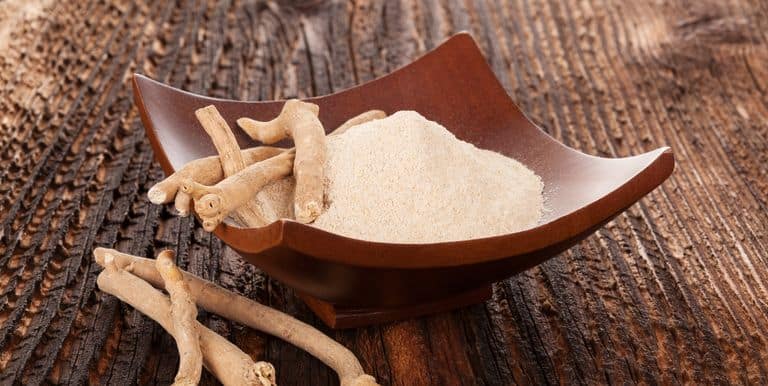
Ashwagandha is an ancient medicinal herb with myriad health benefits. It not only reduce stress, anxiety and also help fight depression, boost fertility and testosterone in men, and even boost brain function. Supplementing with ashwagandha may be an easy and effective way to improve your health and quality of life.
Key Points
Stress can be defined as any type of change that causes physical, emotional, or psychological strain. Stress is your body’s response to anything that requires attention or action. Everyone experiences stress to some degree. The way you respond to stress, however, makes a big difference to your overall well-being.
Ashwgandha relieves stress by reducing the level of stress hormones called cortisol . Its anti-oxidant property improves energy and increases stamina and endurance. Treats stress and improves the metabolic activities of the body. Nourishes the nervous and immune system. Acts as a powerful revitalizer and build muscle, improves mood.
We all get stressed sometimes, but a chronic feeling of tightness in your throat and tension in your temples might be something ashwagandha can help soothe. Researchers have found its active withanoside compounds can change how your body responds to stress.And that includes minimizing the release of cortisol ( stress hormone). “Early studies have shown that taking 300 to 500 milligrams of ashwagandha can decrease cortisol levels by as much as 28 percent.”
One study that gave participants a high-dose of ashwagandha root extract found that, compared to a placebo, it significantly reduced serum cortisol levels . The participants of this study also reported a better quality of life because their perceived stress levels diminished


Powder made from ashwagandha root was able to lower blood sugar a similar amount as an oral diabetes medication in patients with type 2 diabetes, one very small study found (Andallu, 2000). Another also found effects on blood sugar levels, noting significant differences in fasting blood glucose between patients taking high-dose ashwagandha and those given a placebo (Auddy, 2008). The second found that the effects were dose-dependent: the larger the dose of the adaptogenic root, the larger the reduction in blood sugar levels. Researchers think this is because of how it acts on cortisol, which plays a role in regulating blood sugar.
Historically, Ashwagandha has also been categorized as a medharasayana– a nootropic herb in Ayurveda to promote cognition in children with memory deficits, and for memory loss in aging adults [8]. Ashwagandha is known to enhance brain function, response times, memory, concentration capacity, and task performance capability.
In today’s time, environmental pollution is a major skincare concern as it is linked to a host of skin problems, including pigmentation, acne and breakouts, premature aging and skin cancer. Small airborne pollutants get trapped in pores and trigger damage by causing oxidative stress to the skin. Research says “skin exposed to pollution experiences a higher sebum secretion rate and higher amount of lactic acid, resulting in an imbalanced skin pH when compared to non-polluted areas.”
A super-food for the skin and body, Ashwagandha is effective and promotes a healthy skin and lifestyle. Ashwagandha is rich in bio-active principles such as withanolides, saponins and alkaloids which deeply cleanse, moisturize and calm the skin.
Ashwagandha is believed to be equally beneficial for hair health. This antioxidant rich herb has stimulating properties; it helps in improving the blood circulation, rejuvenating the scalp and reducing dandruff, thereby strengthening the hair follicles and encouraging healthy hair growth. It is also known to stimulate production of melanin, the pigment responsible for the color of hair. In turn, it may actually reverse greying of hair!.

Simply send the bottle back—opened or not—and we’ll refund you. No hassle.