Search here...
ES|FR
Search here...
Your Cart
$0.00
Supplements for Joint Health Nourishing your joints may be one of the most important things you can do to stay flexible and mobile as you age and support healthy joints and active lifestyles. But with so many joint health supplements out there, how do you know which to choose? Let’s review some of the most […]
Herbal Supplements for sleep If you often get into bed after a long day and just can’t drift off to sleep you’re definitely not alone.A survey of more than 25,000 people reveled the fact that 75 percent of people get less than seven hours of sleep a night. Half of the participants even reported using […]
Supplement for Energy and Motivation The importance of a healthy diet, adequate exercise, and a good night’s sleep can’t be underestimated. But if you’re already doing all of that, and you might want to go even faster to get more done in a day. There are natural energy booster to give you strength and motivationSometimes, people might […]
Reduce 15 pounds in two weeks How to avoid junk food or favourite meals? It is not easy to avoid unplanned meals when we are with our friends or colleagues. We see people around us who are always eating but are still skinny or fit. But we need to understand some people have good metabolism […]
Appetite Suppressant Supplements It is quite common to look over the internet for weight loss programs and appetite control. You can find tips for weight loss that is based on actual science to keep you stick to your weight loss program. Weight loss is not a challenge but loosing weight in healthy way is defiantly a challenge […]
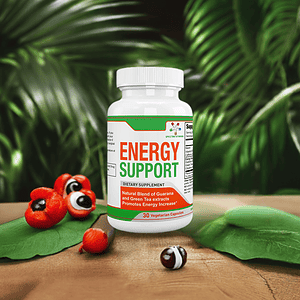
Energy Support Supplements Natural energy level of the body can be maintained by eating a balanced diet, regular exercise and getting enough sleep. But balanced diet usually become impossible when balancing the demands for life. Fortunately, there are many energy support supplements you can turn to for an energy boost.Here are some vitamins and supplements that will […]
Herbal Supplements for Overall Health Herbal supplements are one type of dietary supplement available in the market. They are not new, plants have been used for medicinal purposes for thousands of years.Yet all herbs — including herbal supplement products labeled as “natural” — can have medication-like effects. These herbs and herbs containing supplements have many […]
Supplements play a vital role in promoting the overall health and well-being of Americans.
These dietary supplements, containing essential vitamins and minerals such as vitamin A, zinc, and omega-3 fatty acids, help combat vitamin deficiencies and reduce the risk of certain diseases.
Over the years, dietary supplement usage has increased, with multivitamins being the most common choice among consumers.
To ensure their effectiveness and safety, it is important to follow dietary supplement recommendations provided by healthcare professionals like Dr. Jeffrey Millstein.
These supplements come in various forms, including pills, powders, and liquids, and are labeled with detailed information about their ingredients and potential benefits.
Popular dietary supplements include calcium, fish oil, ginseng, and green tea, each offering unique health advantages.
Scientific research conducted by organizations like the National Institutes of Health has explored the potential benefits of supplements. While evidence varies, certain supplements have shown positive effects on specific health aspects.
For example, vitamin B12 promotes nerve and blood cell health, folic acid reduces the risk of birth defects, and melatonin helps with countering jet lag.
However, it's important to note that supplements are not intended to replace a healthy diet but rather enhance its benefits. When considering supplements, it's essential to consult with a healthcare provider who can evaluate your individual needs and provide personalized recommendations.
They can guide you on the appropriate dosage, potential drug interactions, and any precautions you may need to take based on your medical history.
Additionally, being aware of misleading claims and understanding the importance of proper storage and usage are crucial for ensuring your safety and the effectiveness of the supplements.
While supplements can provide a nutrient boost, they should never be considered as a complete replacement for real food. A balanced and nutrient-dense diet should remain the foundation of a healthy lifestyle.
Incorporating a variety of vitamins and minerals through natural sources like nutrient-packed salads is key to supporting your body's development and proper functioning.
In conclusion, supplements have become a popular choice among Americans to improve their health and well-being.
When used appropriately, dietary supplements can be beneficial, providing the necessary nutrients and supporting specific health goals.
By seeking guidance from healthcare professionals and understanding the potential risks and benefits, individuals can make informed decisions about incorporating supplements into their daily routines.
However, it is important to remember that supplements should always complement a healthy diet rather than replace it.

Simply send the bottle back—opened or not—and we’ll refund you. No hassle.